

CIRCULAR COLOUR MADE POSSIBLE
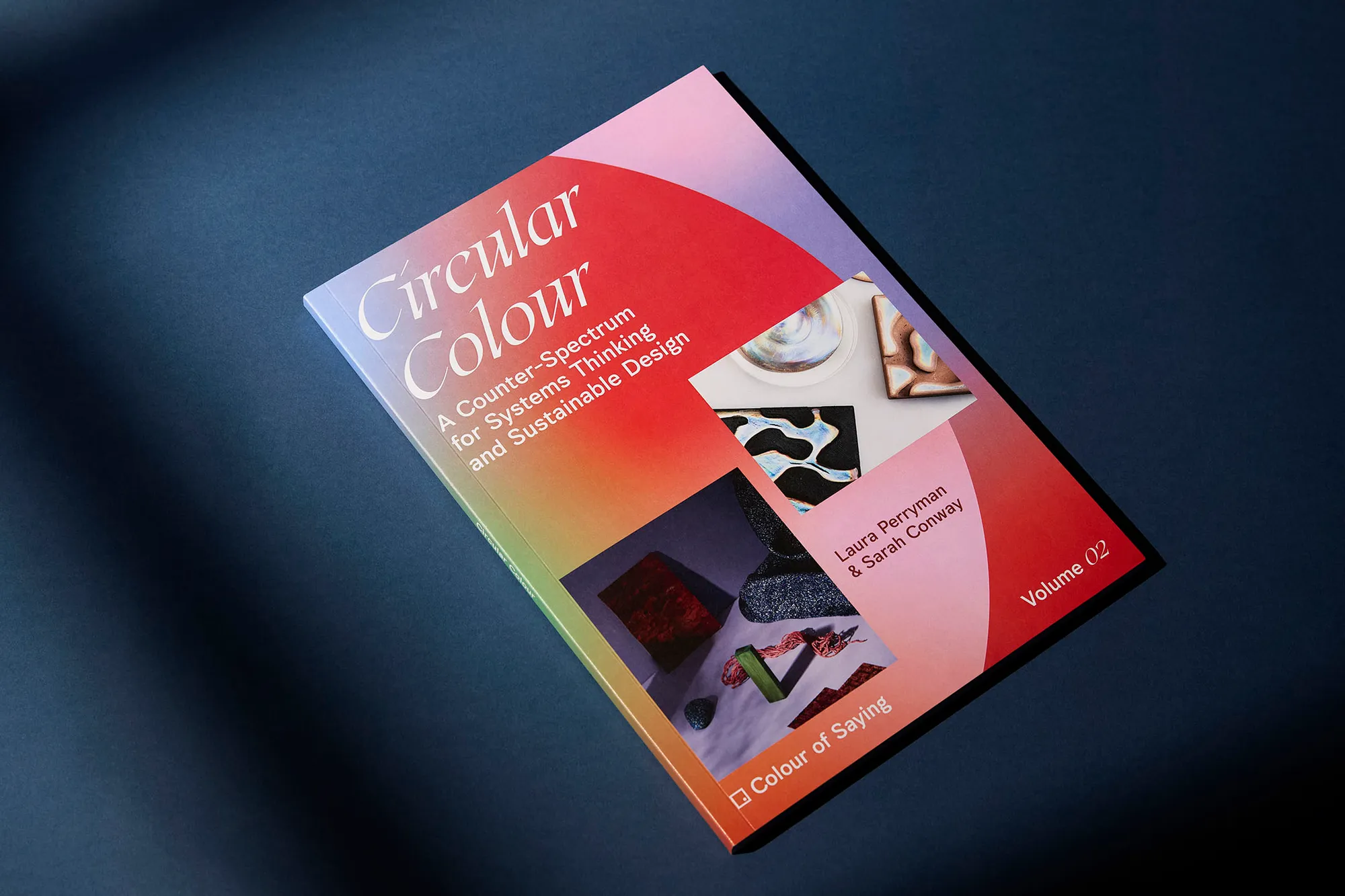
When groundbreaking research on material innovations across recycled, mineral, planted, fungi, biological, and structural colour systems is published, its choice of paper becomes significant.
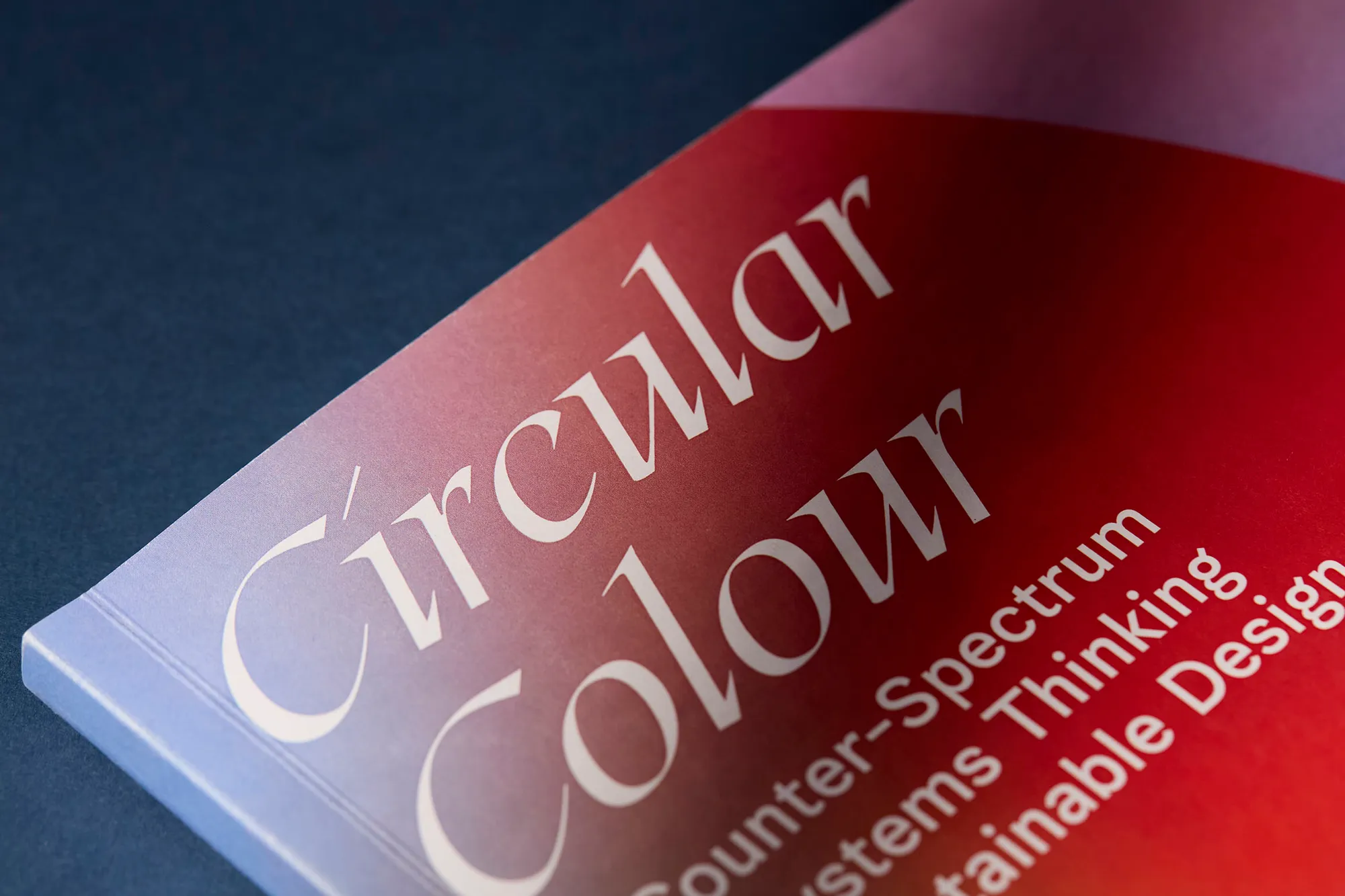
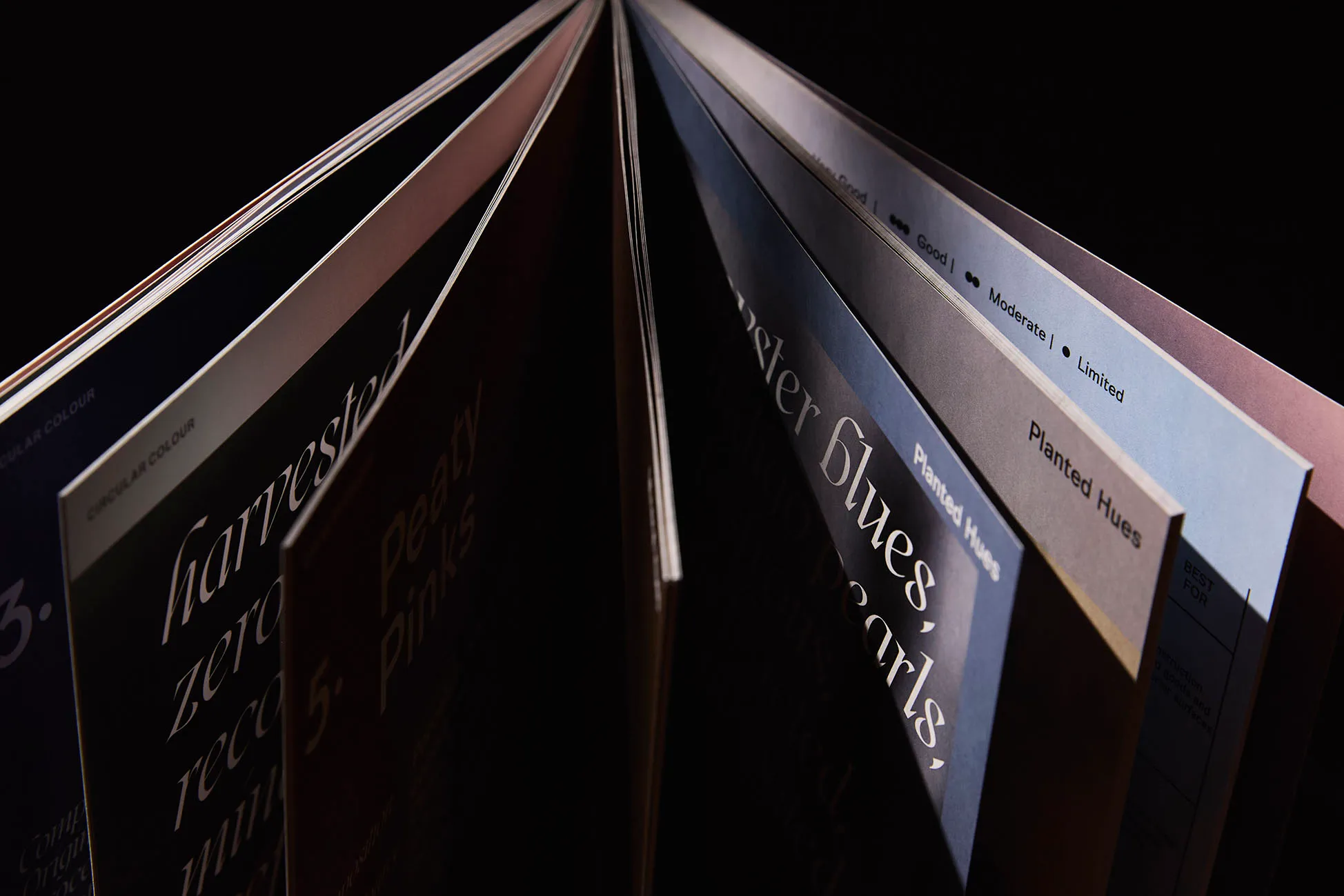
Circular Colour, by Colour of Saying, chose NAUTILUS® Recycled Paper.
In the context of this seminal work, this is no small achievement.
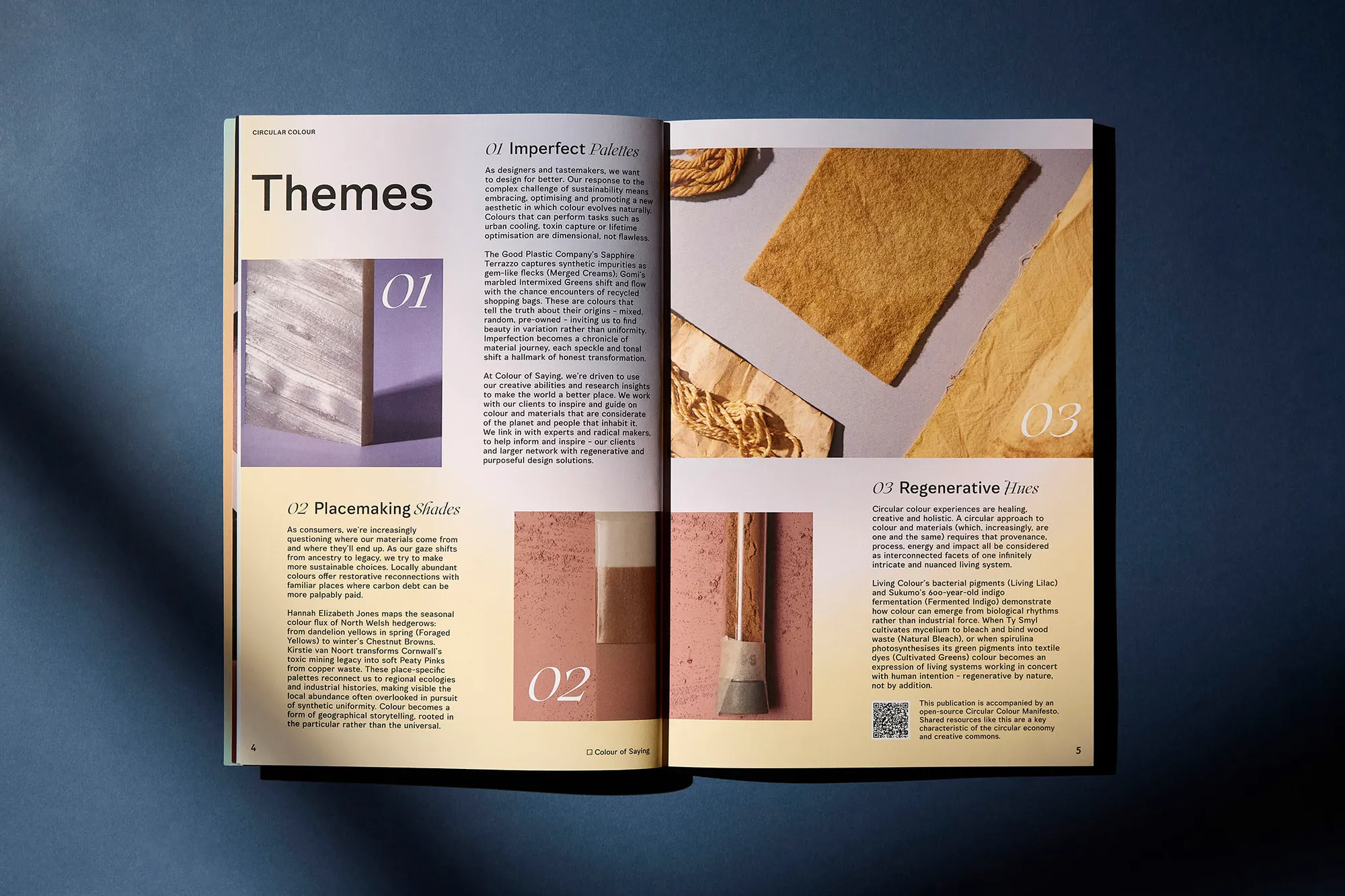
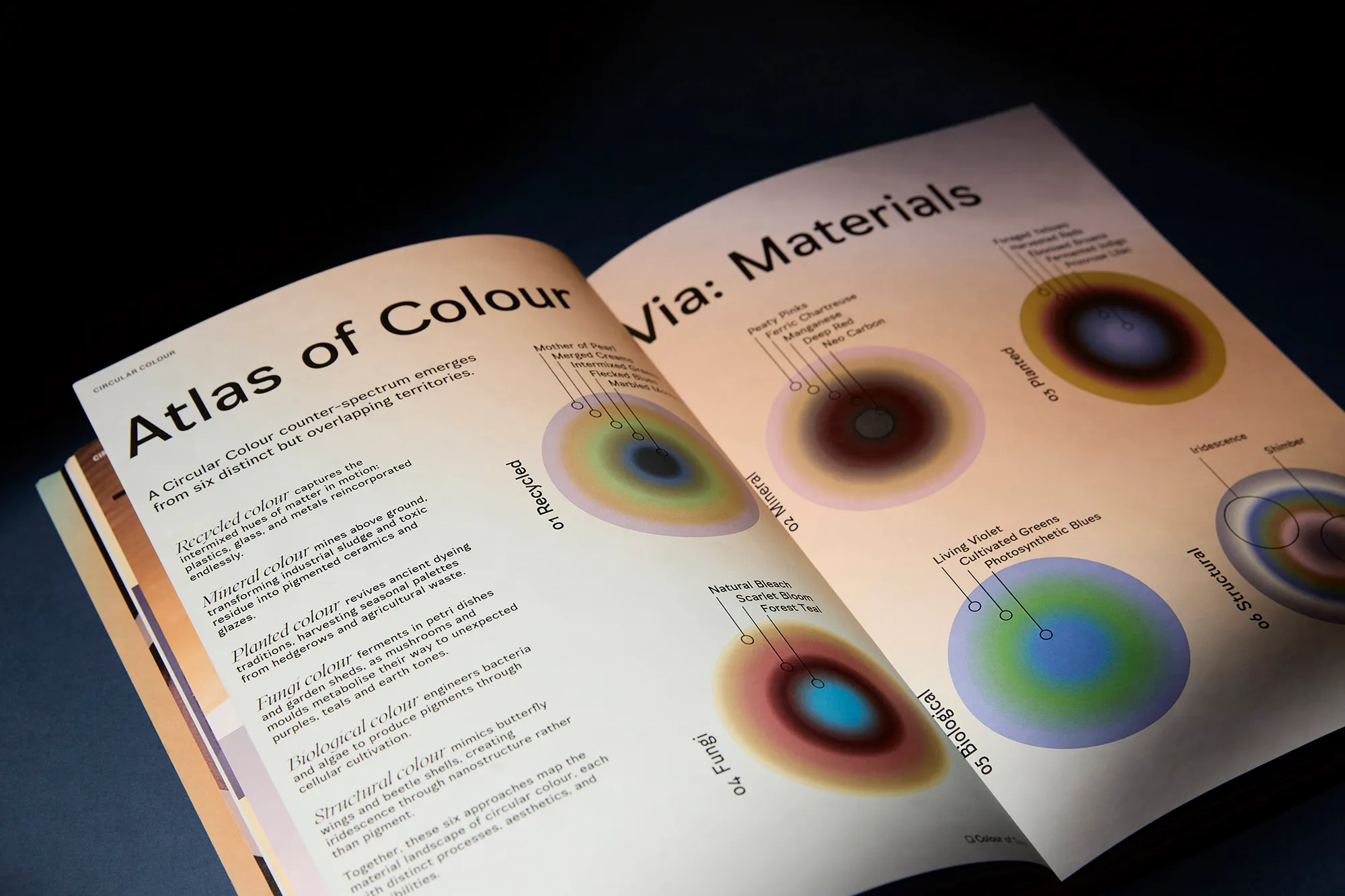
Circular Colour maps the shift from extraction-based to regenerative colour production. It includes colour specifications, stories and strategies from leading global makers, as well as a comprehensive resource directory to connect designers with material innovators, researchers and practitioner communities.
Founded by Laura Perryman, Colour of Saying is a research organisation working with brands,
research institutions, and industry bodies to accelerate the adoption of regenerative colour
practices.
The pioneering publication features an Emotional Qualities Map to help designers match
aesthetic intent with material properties, and a Scale & Impact Matrix to evaluate scalability,
cost, durability, and environmental impact.
SO WHY NAUTILUS®
The NAUTILUS® range of premium quality recycled papers is optimised for printing with vivid colours, rapid drying times, and reduced ink consumption, through its special surface treatment for dyes and pigments which keeps the ink on the paper surface.
But Laura Perryman’s response to this question was as inspiring as it was informative, so we just had to share.
If this book could speak, what story would it tell about the materials that shaped it?
I think it would tell you about coherence. Working with Nautilus wasn't incidental. It was important that our production choices aligned with the research we're sharing.
If we're documenting circular colour systems while producing the book on virgin fibre with conventional inks, there's a contradiction that undermines the work.
How important was the tactile element?
Essential - because Circular Colour is fundamentally about materiality. Print makes every production choice visible, which creates a kind of accountability. Working with Nautilus demonstrates the circular systems we're documenting. You can't publish research about material consequences on material that contradicts those principles.
Also, 82 pages of technical documentation, contributor insights, and case studies requires sustained attention. I find that the tactile experience creates space for absorption. The physical format seems to invite deeper engagement.
Share with your network



How can we help?
Whether you have a question about our papers, want to request a sample or need some guidance, our team is looking forward to consulting you on your next paper & print project.
Get in touch with us via our contact form or give us a call at +43 1 79013-4990.
Want to know what we are up to and the latest news on the paper industry? Subscribe to our newsletter now!


